Boeing 737-800 (iFly)MSFS 2024 Startup Checklist · 194 steps
Boeing 737-800 (iFly)
MSFS 2024 - 0/194 STEPS
UnsplashUnsplash License
Airliner1990s
AIRCRAFT BRIEF
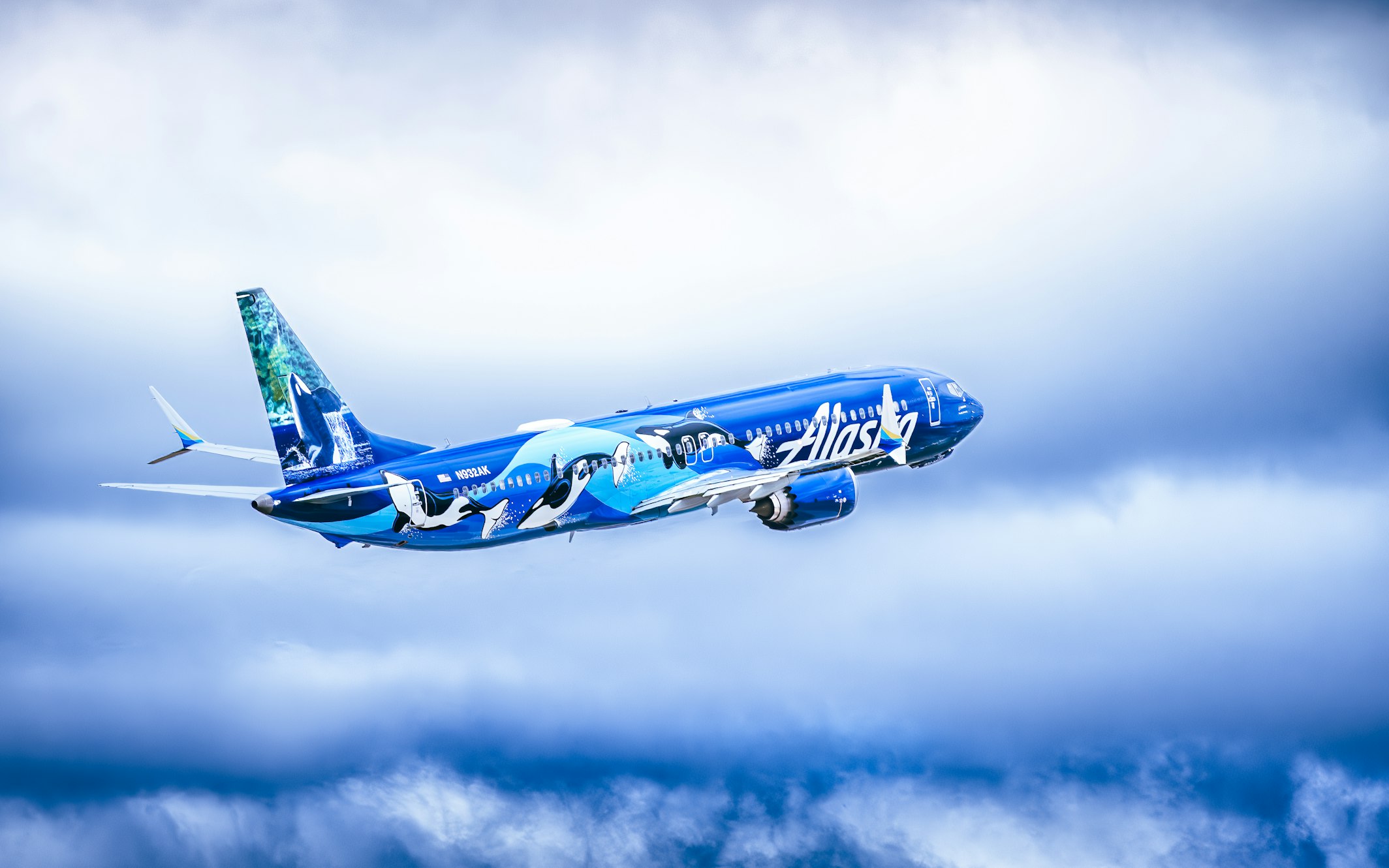
The Boeing 737-800 is the best-selling variant of the 737 Next Generation family, with nearly 5,000 delivered since its first flight on July 31, 1997. Powered by two CFM56-7B turbofan engines, it replaced older 737 Classics in fleets worldwide and became the backbone of low-cost carriers like Ryanair. The iFly 737-800 is a highly detailed third-party simulation for MSFS 2024, featuring accurate systems depth, a fully functional FMC, and realistic cockpit behavior.
RANGE VISUALIZER
SPECIFICATIONS
manufacturerBoeing (iFly Jets simulation)
first Flight1997
roleShort to medium-range narrow-body airliner
crew2 pilots + cabin crew
engines2x CFM International CFM56-7B27 (121 kN / 27,300 lbf each)
max Speed946 km/h (511 kts / Mach 0.82)
range7,408 km (4,000 nmi)
ceiling41,000 ft
weight78,245 kg (MTOW)
PHS 1 — Pre-Flight Planning8 steps
| 01 | Weather Briefing (METAR / TAF / Sigmet)NOTE: Check departure, enroute, destination, and alternate weather. Note winds aloft. | REVIEWED | |
| 02 | NOTAMsNOTE: Check for runway closures, nav aid outages, and airspace restrictions. | REVIEWED | |
| 03 | OFP / SimBrief Flight PlanNOTE: Generate and review Operational Flight Plan - route, fuel, winds, alternates. | LOADED | |
| 04 | Fuel PlanningNOTE: Block fuel includes taxi, trip, contingency (5%), alternate, final reserve (30 min), and extra. | VERIFIED | |
| 05 | Weight & Balance / LoadsheetCAUTION: Verify ZFW, TOW, and LW are within structural and performance limits. Max TOW 77,900 kg. | WITHIN LIMITS | |
| 06 | SID / STAR / Approach ReviewNOTE: Review departure and expected arrival procedures. Note transition altitudes. | BRIEFED | |
| 07 | MEL / CDL ItemsNOTE: Review any Minimum Equipment List or Configuration Deviation List items. | CHECKED | |
| 08 | Performance - Takeoff SpeedsNOTE: V1, VR, V2 based on TOW, runway, and conditions. Enter on CDU TAKEOFF REF page. | CALCULATED |
PHS 2 — Electrical Power Up6 steps
| 01 | Battery Switch | ON (Guard Up) | |
| 02 | Standby Power Switch | AUTO | |
| 03 | APU SwitchNOTE: Wait for APU GEN AVAIL light. APU EGT will rise then stabilize. | START (hold until light) | |
| 04 | APU Generator Bus SwitchesNOTE: Wait for APU GEN OFF BUS lights to extinguish. | ON (Both) | |
| 05 | IRS Mode Selectors (L and R)CAUTION: Do not move the aircraft during IRS alignment (~10 minutes). | NAV | |
| 06 | GSX - Ground Power Unit (GPU)NOTE: GSX menu (Ctrl+F12): Ground Power Unit > Connect. Provides external AC power while engines are off. | CONNECT |
PHS 3 — Cockpit Preparation13 steps
| 01 | Overhead Panel - LightingNOTE: Adjust overhead and panel lighting as needed. | SET as required | |
| 02 | Fuel QuantityNOTE: Verify center and main tanks match planned fuel load. | CHECK - note total and distribution | |
| 03 | Fuel PumpsNOTE: L FWD, L AFT, CTR L, CTR R, R FWD, R AFT. Center pumps OFF if center tank empty. | ALL ON (6 pumps) | |
| 04 | Hydraulic Panel | ENG and ELEC PUMPS ON | |
| 05 | Pack Switches | AUTO (both) | |
| 06 | Bleed Air | APU BLEED ON, Engine Bleeds OFF | |
| 07 | Equipment Cooling | NORMAL | |
| 08 | Pressurization (Landing Altitude) | SET destination field elevation | |
| 09 | Anti-Ice / Window Heat | AUTO / AS REQUIRED | |
| 10 | Fire Warning Test | TEST - verify all lights and bell | |
| 11 | Flight Controls - CheckNOTE: Verify ailerons, elevator, rudder move freely with no restriction. | FULL TRAVEL (both axes) | |
| 12 | TrimNOTE: Stabilizer trim per loadsheet CG. Aileron and rudder trim zero. | SET FOR TAKEOFF | |
| 13 | Parking Brake | SET |
PHS 4 — FMC / CDU Setup12 steps
| 01 | IDENT Page | VERIFY aircraft type and database | |
| 02 | POS INIT Page - Departure AirportNOTE: Set reference position and confirm coordinates match gate position. | ENTER ICAO | |
| 03 | IRS alignmentNOTE: Confirm both IRSs show GPS position valid before proceeding. | IN PROGRESS or COMPLETE | |
| 04 | ROUTE PageNOTE: Enter SID, airways, waypoints, STAR. Activate and execute route. | ORIGIN / DEST / ROUTE ENTERED | |
| 05 | PERF INIT PageNOTE: Enter Zero Fuel Weight, Gross Weight, fuel quantity, cruise altitude, and cost index. | ZFW / GW / FUEL / CRZ ALT / CI ENTERED | |
| 06 | TAKEOFF REF PageNOTE: Enter calculated takeoff speeds and flap setting. | V1 / VR / V2 / FLAPS ENTERED | |
| 07 | MCP - V2 SpeedNOTE: Dial V2 into the IAS/Mach window. | SET | |
| 08 | MCP - Initial AltitudeNOTE: Set initial cleared altitude or first restriction. | SET | |
| 09 | MCP - Heading | SET runway heading | |
| 10 | Flight Directors | ON (Both L and R) | |
| 11 | Transponder | SET SQUAWK code - STBY | |
| 12 | Radios / Nav Aids | SET departure frequencies |
PHS 5 — Before Start12 steps
| 01 | Beacon LightNOTE: Signal to ground crew that engines will start. | ON | |
| 02 | DoorsCAUTION: Confirm all passenger and cargo doors are closed before start. | CLOSED and ARMED | |
| 03 | Fuel Quantity - Final CheckNOTE: Cross-check with fueling paperwork. | CONFIRMED | |
| 04 | FlapsNOTE: Select on overhead lever and confirm CDU TAKEOFF REF page matches. | SET FOR TAKEOFF (1, 5, or 15) | |
| 05 | N1 BugsNOTE: Verify takeoff N1 limit bug is displayed on EICAS. | SET (via CDU) | |
| 06 | Autobrake | RTO | |
| 07 | Clearance | START CLEARANCE OBTAINED | |
| 08 | GSX - Fuel TruckNOTE: GSX menu: Refuel Aircraft. Set desired fuel load before confirming. | REFUEL COMPLETE | |
| 09 | GSX - Catering ServiceNOTE: GSX menu: Call Catering. Forward and aft catering trucks will service the aircraft. | COMPLETE | |
| 10 | GSX - Passenger BoardingNOTE: GSX menu: Board Passengers. Wait for all passengers to board. | COMPLETE | |
| 11 | GSX - All Passenger DoorsCAUTION: Confirm all door indicators show CLOSED before requesting pushback. | CLOSED | |
| 12 | GSX - Pushback RequestNOTE: GSX menu: Request Pushback. Select direction when prompted. | INITIATED |
PHS 6 — Engine Start14 steps
| 01 | Engine Start Selector | GND | |
| 02 | Engine 2 Start SwitchNOTE: Right engine first is standard. N2 will begin to spool up. | GND - monitor N2 rise | |
| 03 | Engine 2 - N2 at 20-25%CAUTION: Watch EGT - abort start if EGT exceeds 725 C during start. | START LEVER - IDLE | |
| 04 | Engine 2 - Fuel Flow and EGTNOTE: EGT should appear within 10 seconds of moving start lever to IDLE. | RISING | |
| 05 | Engine 2 - Starter CutoutNOTE: Start switch returns to AUTO. Verify oil pressure rise. | AT ~56% N2 | |
| 06 | Engine 2 - Stabilized at IdleWARNING: Shut down immediately if no oil pressure within 60 seconds of start. | CHECK Oil Pressure, N1, N2, EGT, Fuel Flow | |
| 07 | Engine 1 Start Switch | GND - monitor N2 rise | |
| 08 | Engine 1 - N2 at 20-25%CAUTION: Monitor EGT for hot start. Abort if EGT exceeds limits. | START LEVER - IDLE | |
| 09 | Engine 1 - Stabilized at Idle | CHECK Oil Pressure, N1, N2, EGT, Fuel Flow | |
| 10 | Engine Start Selector | OFF (after both engines stable) | |
| 11 | APU Bleed | OFF | |
| 12 | Engine Bleeds | ON (Both) | |
| 13 | Pack Switches | VERIFY AUTO | |
| 14 | GSX - Ground Power Unit (GPU)NOTE: GSX menu: Ground Power Unit > Disconnect. Disconnect once AC bus is powered by engines. | DISCONNECT |
PHS 7 — After Start / Taxi11 steps
| 01 | GeneratorsNOTE: GEN OFF BUS lights should be extinguished. | VERIFY ON (Both) | |
| 02 | APUNOTE: Shut down after engine generators are confirmed online. | OFF | |
| 03 | Hydraulic Pressure | CHECK - all systems green | |
| 04 | Probe Heat | ON | |
| 05 | Anti-IceNOTE: Engine anti-ice ON if OAT below 10 C with visible moisture or ice. | AS REQUIRED | |
| 06 | Flight Instruments | CHECK - compare PFDs and standby | |
| 07 | Taxi Light | ON | |
| 08 | TransponderNOTE: Set TCAS to TA/RA when cleared to taxi. | TA/RA | |
| 09 | Parking Brake | RELEASE | |
| 10 | Brakes | CHECK during initial movement | |
| 11 | Flight Controls | CHECK during taxi |
PHS 8 — Before Takeoff15 steps
| 01 | Takeoff BriefingNOTE: Brief V1/VR/V2, SID, engine failure procedure, and abort criteria. | COMPLETED | |
| 02 | MCP - Altitude | SET cleared altitude | |
| 03 | MCP - Speed | SET V2 | |
| 04 | LNAV / VNAV | ARMED | |
| 05 | Flaps | VERIFY takeoff setting (1, 5, or 15) | |
| 06 | Stabilizer Trim | VERIFY green band | |
| 07 | Speed Brake | DOWN DETENT | |
| 08 | Autobrake | RTO | |
| 09 | Engine Start SwitchesNOTE: Provides continuous ignition for takeoff roll. | CONT | |
| 10 | Cabin Crew | ADVISED - one chime | |
| 11 | Seat Belt Sign | ON | |
| 12 | Landing Lights | ON | |
| 13 | Strobe LightsNOTE: Turn on when entering active runway. | ON | |
| 14 | Runway Turnoff Lights | ON | |
| 15 | Taxi Light | OFF |
PHS 9 — Takeoff11 steps
| 01 | Brakes | HOLD | |
| 02 | Thrust Levers | ADVANCE to ~40% N1 - stabilize | |
| 03 | TO/GA ButtonsNOTE: Autothrottle advances to takeoff N1 (~93-95%). | PRESS - autothrottle engages | |
| 04 | FMACAUTION: Reject takeoff if FMA shows unexpected modes or engine anomaly. | VERIFY N1 / TOGA modes | |
| 05 | Brakes | RELEASE | |
| 06 | Directional Control | MAINTAIN centerline | |
| 07 | 80 Knots | CALLOUT - cross-check airspeed both sides | |
| 08 | V1WARNING: Do not reject takeoff above V1 unless aircraft is unsafe to fly. | CALLOUT - committed to fly | |
| 09 | VRNOTE: Smooth rotation at 2-3 degrees per second. | ROTATE - pitch to 15 degrees | |
| 10 | Positive Climb Rate | CONFIRMED | |
| 11 | Landing Gear | UP |
PHS 10 — After Takeoff / Climb12 steps
| 01 | Thrust Reduction / Acceleration AltitudeNOTE: Autothrottle transitions to CLB thrust. | AT 1,000-1,500 ft AGL | |
| 02 | Autopilot | ENGAGE (CMD A) | |
| 03 | FlapsNOTE: Retract incrementally as airspeed increases through each flap speed. | RETRACT on schedule | |
| 04 | Gear | CONFIRM UP and locked | |
| 05 | Engine Start Switches | AUTO | |
| 06 | Speed Brake | CONFIRM DOWN | |
| 07 | Taxi Light and Runway Turnoff Lights | OFF | |
| 08 | 10,000 ft - Landing Lights | OFF | |
| 09 | 10,000 ft - Seat Belt Sign | OFF (conditions permitting) | |
| 10 | Transition Altitude - Altimeter | SET STD (29.92 in / 1013 hPa) | |
| 11 | Climb PowerNOTE: Autothrottle should manage climb N1 automatically. | VERIFY CLB thrust (~90% N1) | |
| 12 | Climb Speed | 250 KIAS below 10,000 ft then 280-310 KIAS |
PHS 11 — Cruise7 steps
| 01 | Cruise Altitude | VERIFY - at assigned FL | |
| 02 | Autopilot and Autothrottle | ON - verify LNAV/VNAV or HDG/ALT/SPD | |
| 03 | Engine Parameters | CHECK - N1 ~85-87%, EGT normal | |
| 04 | Fuel Quantity and BalanceNOTE: Cross-feed valve closed during normal cruise. | CHECK - verify fuel burn matches plan | |
| 05 | CDU - LEGS / PROGRESS Page | MONITOR flight progress | |
| 06 | Radios | SET for ATC sectors and ATIS monitoring | |
| 07 | Seat Belt Sign | AS REQUIRED (turbulence) |
PHS 12 — Descent Preparation9 steps
| 01 | ATIS / D-ATISNOTE: Note QNH, active runway, wind, transition level, and weather. | OBTAINED | |
| 02 | CDU - ARRIVALS Page | SELECT STAR and Approach | |
| 03 | Approach BriefingNOTE: Review chart, minimums, missed approach procedure, and go-around altitude. | COMPLETED | |
| 04 | MCP - Altitude | SET first descent constraint | |
| 05 | Autobrake | SET (1, 2, or 3 per conditions) | |
| 06 | ILS / NAV FrequencyNOTE: Verify course and ident. | SET and IDENTIFIED on both radios | |
| 07 | Landing Altitude | SET on pressurization panel | |
| 08 | VREFNOTE: VREF based on landing weight and flap setting. | SET on CDU APPROACH REF page | |
| 09 | Decision Height / MDA | SET on both altimeters |
PHS 13 — Descent7 steps
| 01 | ATC Descent Clearance | OBTAINED | |
| 02 | MCP Altitude | SET cleared altitude | |
| 03 | VNAVNOTE: Or use V/S / LVL CHG for manual descent management. | ENGAGED | |
| 04 | Transition Level - AltimetersNOTE: Cross-check both PFD altimeters and standby. | SET local QNH | |
| 05 | 10,000 ft - Landing Lights | ON | |
| 06 | 10,000 ft - Seat Belt Sign | ON | |
| 07 | Speed | BELOW 250 KIAS below 10,000 ft |
PHS 14 — Approach13 steps
| 01 | Speed Brake | ARM | |
| 02 | Flaps 1 | SET at maneuvering speed | |
| 03 | APP ButtonNOTE: Arms LOC and glide slope capture. | PRESS when cleared for ILS approach | |
| 04 | Flaps 5 | SET | |
| 05 | Landing Gear | DOWN - verify 3 green lights | |
| 06 | Flaps 15 | SET - below 200 kts | |
| 07 | Flaps 30 (or 40)NOTE: Flaps 30 typical, Flaps 40 for short runway operations. | SET for landing | |
| 08 | SpeedNOTE: Add half steady wind + full gust over VREF. Max addition 20 kts. | VREF + wind additive | |
| 09 | Landing Gear | CONFIRM DOWN - 3 green | |
| 10 | Autobrake | CONFIRM ARMED | |
| 11 | Speed Brake | CONFIRM ARMED | |
| 12 | Runway Turnoff Lights | ON | |
| 13 | Taxi Light | ON |
PHS 15 — Landing10 steps
| 01 | 1,000 ft AGL - Stabilized CheckWARNING: Execute go-around immediately if not stabilized by 1,000 ft AGL. | VERIFY on speed, on path, configured | |
| 02 | 500 ft AGL - AutopilotNOTE: May remain engaged for CAT II/III autoland approach. | DISCONNECT (manual landing) | |
| 03 | VREF | MAINTAIN through threshold | |
| 04 | Flare (~30 ft radio altitude)NOTE: Target touchdown at the 1,000 ft markers, sink rate below 300 fpm. | REDUCE descent rate - gentle backstick | |
| 05 | Thrust Levers | IDLE at touchdown | |
| 06 | Speed Brake | VERIFY DEPLOYED (lever up) | |
| 07 | Reverse ThrustNOTE: Max reverse for short or wet runways. Stow before taxi. | SELECT max as required | |
| 08 | Autobrake | VERIFY ACTIVE | |
| 09 | 60 Knots - Reverse Thrust | IDLE - begin stowing reversers | |
| 10 | Manual Braking | AS NEEDED below 60 kts |
PHS 16 — After Landing13 steps
| 01 | Runway Vacated | CONFIRM clear of active runway | |
| 02 | Flaps | UP | |
| 03 | Speed Brake | DOWN | |
| 04 | Strobe Lights | OFF | |
| 05 | Landing Lights | OFF | |
| 06 | Runway Turnoff Lights | ON | |
| 07 | Taxi Light | ON | |
| 08 | Transponder | STBY | |
| 09 | Autobrake | OFF | |
| 10 | Engine Start Switches | AUTO | |
| 11 | APUNOTE: Start for bleed air at gate before engine shutdown. | START | |
| 12 | Probe Heat | OFF | |
| 13 | Weather Radar | OFF |
PHS 17 — Parking / Shutdown21 steps
| 01 | Parking Brake | SET | |
| 02 | Taxi Light | OFF | |
| 03 | Runway Turnoff Lights | OFF | |
| 04 | APU Generator | ON (both buses) | |
| 05 | Engine Start LeversNOTE: Allow engines to run at idle for 3 minutes before cutoff if possible. | CUTOFF (Both) | |
| 06 | Seat Belt Sign | OFF | |
| 07 | Beacon Light | OFF | |
| 08 | Fuel Pumps | ALL OFF | |
| 09 | Hydraulic Pumps | OFF | |
| 10 | Engine Bleeds | OFF | |
| 11 | Pack Switches | OFF | |
| 12 | APU Bleed | OFF | |
| 13 | IRS Selectors | OFF (Both) | |
| 14 | Emergency Exit Lights | OFF | |
| 15 | Window Heat | OFF | |
| 16 | APUNOTE: Allow 2 minute cooling cycle. | OFF | |
| 17 | Standby Power | OFF | |
| 18 | Battery | OFF | |
| 19 | GSX - Ground Power Unit (GPU)NOTE: GSX menu: Ground Power Unit > Connect. Restores external power for turnaround. | CONNECT | |
| 20 | GSX - Jetway / StairsNOTE: GSX menu: Deboard Passengers. Jetway or airstairs will position automatically. | CONNECTED | |
| 21 | GSX - Passenger DeboardingNOTE: Wait for all passengers to deboard before releasing gate. | COMPLETE |