Airbus A310MSFS 2024 Startup Checklist · 213 steps
Airbus A310
MSFS 2024 - 0/213 STEPS
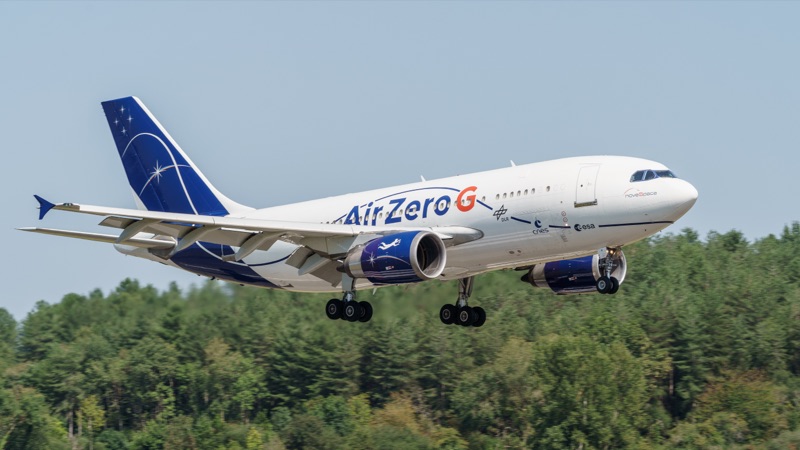
Wikimedia CommonsCC BY-SA 4.0
Airliner1980s
AIRCRAFT BRIEF
The Airbus A310 made its maiden flight on 3 April 1982 and entered commercial service with Swissair and Lufthansa in April 1983, becoming Airbus's second commercial aircraft after the A300. A shortened derivative of the A300, the A310 introduced a new smaller wing and a two-crew glass cockpit with EFIS displays - marking Airbus's first step toward the advanced flight deck philosophy later refined in the A320 family. It served widely as a medium to long-range widebody on intercontinental routes and was eventually replaced by the A330-200, with around 255 examples built through 1998.
RANGE VISUALIZER
SPECIFICATIONS
manufacturerAirbus
first Flight1982
roleMedium to long-range wide-body airliner
crew2 pilots + cabin crew
engines2x GE CF6-80C2A2 (238 kN / 53,500 lbf each) or P&W JT9D-7R4
max Speed903 km/h (Mach 0.84)
range9,540 km (5,150 nmi)
ceiling41,100 ft
weight164,000 kg (MTOW)
PHS 1 — Pre-Flight Planning8 steps
| 01 | Weather Briefing (METAR / TAF / Sigmet)NOTE: Check departure, enroute, destination, and alternate weather. | REVIEWED | |
| 02 | NOTAMsNOTE: Check for runway closures, navigation aid outages, and airspace restrictions. | REVIEWED | |
| 03 | OFP / SimBrief Flight PlanNOTE: Generate and review Operational Flight Plan - route, fuel, winds, alternates. | LOADED | |
| 04 | Fuel PlanningNOTE: Block fuel: taxi + trip + contingency (5%) + alternate + final reserve (30 min). | VERIFIED | |
| 05 | Weight & Balance / LoadsheetCAUTION: Verify ZFW, TOW, and LW are within limits. Check CG% for trim setting. | WITHIN LIMITS | |
| 06 | SID / STAR / Approach ReviewNOTE: Review departure and arrival procedures. Check transition altitudes. | BRIEFED | |
| 07 | MEL / CDL ItemsNOTE: Review any Minimum Equipment List or Configuration Deviation List items. | CHECKED | |
| 08 | Performance - Takeoff SpeedsNOTE: V1, VR, V2, and FLEX temp from performance charts or OFP. | CALCULATED |
PHS 2 — Electrical Power Up9 steps
| 01 | Battery 1 & 2NOTE: Both batteries must be on before any other power source. | ON | |
| 02 | DC VoltageNOTE: Verify battery voltage on the ELEC panel overhead. | CHECK 24-28V | |
| 03 | External Power (GPU)NOTE: Preferred over APU for initial power-up to save APU starts. | ON (if available) | |
| 04 | Overhead Lighting | SET as needed | |
| 05 | APU Master Switch | ON | |
| 06 | APU Start ButtonNOTE: Wait for APU AVAIL light - approximately 60-90 seconds. | PRESS | |
| 07 | APU GeneratorNOTE: APU gen provides AC power once APU is running. | ON | |
| 08 | External Power | DISCONNECT (if GPU used) | |
| 09 | GSX - Ground Power Unit (GPU)NOTE: GSX menu (Ctrl+F12): Ground Power Unit > Connect. Provides external AC power while engines are off. | CONNECT |
PHS 3 — Cockpit Preparation18 steps
| 01 | IRS 1 & 2CAUTION: Set both IRS to NAV mode and allow alignment - do not move aircraft for ~10 minutes. | NAV | |
| 02 | IRS Position EntryNOTE: Enter current airport latitude and longitude on the CDU. | CONFIRM coordinates entered | |
| 03 | Crew Oxygen Pressure | CHECK - full | |
| 04 | Oxygen Masks | TEST and stow | |
| 05 | Emergency Lights Switch | ARM | |
| 06 | Seat Belts Sign | ON | |
| 07 | No Smoking Sign | ON | |
| 08 | Navigation Lights | ON | |
| 09 | Fuel QuantityNOTE: Verify total fuel matches loadsheet. Check for imbalance between wings. | CHECK and note | |
| 10 | Fuel Pumps (Wing Tanks)NOTE: All four wing tank fuel pumps ON. Centre tank pumps ON only if centre tank has fuel. | ON | |
| 11 | Fuel X-Feed / Crossfeed | OFF (normal) | |
| 12 | Hydraulic System Check | GREEN, YELLOW, BLUE - CHECK pressures | |
| 13 | Fire Detection System | TEST - both engines and APU | |
| 14 | Engine Fire Handles | CHECK - not pulled | |
| 15 | Pressurisation Mode | AUTO | |
| 16 | Cabin Altitude Controller | SET landing altitude | |
| 17 | Air Conditioning Packs | AUTO | |
| 18 | Panel Lights | SET as required |
PHS 4 — FMS / MCDU Setup12 steps
| 01 | MCDU - INIT A Page | ENTER Flight Number, Date, Cost Index | |
| 02 | MCDU - FROM/TO Airports | SET departure and destination | |
| 03 | MCDU - Flight PlanNOTE: Input waypoints, airways, and DCTs from OFP or SimBrief. | ENTER or LOAD route | |
| 04 | MCDU - SID Selection | SELECT and verify | |
| 05 | MCDU - INIT B Page (Fuel & Weight)NOTE: Zero Fuel Weight and CG% from loadsheet. Block fuel matches actual uplift. | ENTER ZFW, block fuel, CG% | |
| 06 | MCDU - PERF Takeoff PageNOTE: Calculated from TOW, runway, conditions. Use performance app or OFP. | ENTER V1, VR, V2, FLEX Temp, Flap | |
| 07 | MCDU - Cruise Altitude | SET planned cruise FL | |
| 08 | FCU Altitude | SET initial clearance altitude | |
| 09 | FCU Heading | SET as required | |
| 10 | Transponder Code | SET assigned squawk - STBY | |
| 11 | Radios (COM 1/2, NAV 1/2) | SET frequencies for departure | |
| 12 | EFIS Control PanelNOTE: Set ND to PLAN or ARC mode to verify route. | SET range and display mode |
PHS 5 — Before Start14 steps
| 01 | Parking Brake | SET | |
| 02 | Beacon LightNOTE: Signal to ground crew that engines will start. | ON | |
| 03 | DoorsCAUTION: Verify all passenger and cargo doors closed on ECAM or door indication panel. | CLOSED and ARMED | |
| 04 | Thrust Levers | IDLE | |
| 05 | APU Bleed | ON | |
| 06 | Air Conditioning PacksNOTE: Reduce bleed air demand for engine start. | OFF | |
| 07 | Engine Master 1 & 2 | OFF (confirm) | |
| 08 | Engine Mode SelectorNOTE: Enables automatic start sequence and ignition. | IGN/START | |
| 09 | Ground CrewCAUTION: Confirm area is clear before initiating start. | CLEARED TO START | |
| 10 | GSX - Fuel TruckNOTE: GSX menu: Refuel Aircraft. Set desired fuel load before confirming. | REFUEL COMPLETE | |
| 11 | GSX - Catering ServiceNOTE: GSX menu: Call Catering. Forward and aft catering trucks will service the aircraft. | COMPLETE | |
| 12 | GSX - Passenger BoardingNOTE: GSX menu: Board Passengers. Wait for all passengers to board. | COMPLETE | |
| 13 | GSX - All Passenger DoorsCAUTION: Confirm all door indicators show CLOSED before requesting pushback. | CLOSED | |
| 14 | GSX - Pushback RequestNOTE: GSX menu: Request Pushback. Select direction when prompted. | INITIATED |
PHS 6 — Engine Start15 steps
| 01 | Engine 2 Start SwitchNOTE: Start Engine 2 first - standard Airbus procedure. Watch for blue OPEN light. | ON (start right engine first) | |
| 02 | Engine 2 - N2 RisingNOTE: N2 should begin rising within a few seconds. | MONITOR - N2 increasing | |
| 03 | Engine 2 - Fuel Lever (at 20% N2)NOTE: Move fuel lever to ON when N2 reaches approximately 20%. EGT will rise. | ON | |
| 04 | Engine 2 - EGTWARNING: Abort start immediately if EGT exceeds limits. Perform hung start check if N2 stops rising. | MONITOR - watch for exceedance | |
| 05 | Engine 2 - N1/N2 IdleNOTE: N1 and N2 should stabilise at ground idle. Fuel flow and oil pressure nominal. | STABILISED at idle | |
| 06 | Engine 1 Start SwitchNOTE: Repeat start sequence for Engine 1. | ON (start left engine) | |
| 07 | Engine 1 - Fuel Lever (at 20% N2) | ON | |
| 08 | Engine 1 - N1/N2 Idle | STABILISED at idle | |
| 09 | Engine Mode SelectorNOTE: Return to NORM after both engines stabilised at idle. | NORM | |
| 10 | Engine Generators 1 & 2 | ON - verify on ELEC panel | |
| 11 | APU Bleed | OFF | |
| 12 | Engine Bleeds 1 & 2 | ON | |
| 13 | Air Conditioning Packs | ON (AUTO) | |
| 14 | APU Master | OFF (if no longer needed) | |
| 15 | GSX - Ground Power Unit (GPU)NOTE: GSX menu: Ground Power Unit > Disconnect. Disconnect once AC bus is powered by engines. | DISCONNECT |
PHS 7 — After Start / Taxi13 steps
| 01 | Flight Controls CheckCAUTION: Move yoke full left/right and forward/back. Verify surfaces move correctly. | FULL DEFLECTION - free and correct | |
| 02 | Pitch TrimNOTE: Set trim to value from loadsheet or MCDU. | SET for takeoff (per CG%) | |
| 03 | Rudder Trim | ZERO | |
| 04 | FlapsNOTE: Typical takeoff config is slats 15 flaps 0 or slats 15 flaps 15. | SET for takeoff (CONF 15 or 20) | |
| 05 | Ground Spoilers | ARM | |
| 06 | Speed BrakesNOTE: Verify spoiler lever is at 0 and armed for auto deployment on landing. | RETRACTED and ARMED | |
| 07 | Auto Brake | MAX (for takeoff) | |
| 08 | Cabin Crew | NOTIFIED - ready for taxi | |
| 09 | Taxi Light | ON | |
| 10 | Nose Lights | TAXI | |
| 11 | Parking Brake | RELEASE | |
| 12 | Brakes | CHECK during first movement | |
| 13 | Flight InstrumentsNOTE: Cross-check heading on PFD and ND, verify attitude indication. | CHECK during taxi |
PHS 8 — Before Takeoff13 steps
| 01 | Flight Controls | CHECKED | |
| 02 | V-Speeds Confirmed | V1, VR, V2 - SET on PFD speed tape | |
| 03 | Flaps | CONFIRM takeoff setting | |
| 04 | Pitch Trim | CONFIRM green band | |
| 05 | Departure BriefingNOTE: Review SID, engine failure procedure, rejected takeoff criteria. | COMPLETED | |
| 06 | Transponder | TA/RA - ALT RPTG ON | |
| 07 | ECAM - TO ConfigCAUTION: Verify TO CONFIG normal before entering runway. | NO WARNINGS | |
| 08 | Runway Turnoff Lights | ON | |
| 09 | Landing Lights | ON (both) | |
| 10 | Strobe Lights | ON | |
| 11 | Nose Light | TO | |
| 12 | Cabin Crew | SEATED and CONFIRMED | |
| 13 | ATC Takeoff Clearance | OBTAINED |
PHS 9 — Takeoff10 steps
| 01 | Brakes | HOLD | |
| 02 | Thrust Levers | ADVANCE to 50% N1 - stabilise | |
| 03 | Brakes | RELEASE | |
| 04 | Thrust LeversNOTE: Advance smoothly to takeoff thrust. Use FLEX if a derated takeoff was planned. | TOGA or FLEX (DERATED) | |
| 05 | Engine ParametersCAUTION: If any parameter anomaly - reject takeoff below V1. | VERIFY N1, N2, EGT normal | |
| 06 | 80 Knots Callout | CROSS-CHECK airspeed | |
| 07 | V1 CalloutWARNING: Do not reject takeoff above V1 unless aircraft is unsafe to fly. | COMMITTED TO FLY | |
| 08 | Rotate at VR | SMOOTH backstick - pitch to 12-15 degrees nose up | |
| 09 | Positive Climb Rate | CONFIRMED on VSI | |
| 10 | Landing GearNOTE: Select gear UP when positive climb confirmed. | UP |
PHS 10 — After Takeoff / Climb13 steps
| 01 | Thrust Reduction (1,500 ft AGL)NOTE: Retard thrust levers to climb setting at acceleration altitude. | REDUCE to climb thrust | |
| 02 | Autopilot | ENGAGE (if desired) | |
| 03 | Speed - Flap RetractionNOTE: Retract slats and flaps as speed builds through S and F speeds. | RETRACT incrementally on schedule | |
| 04 | Ground Spoilers | DISARM | |
| 05 | Packs | ON (if turned OFF for takeoff) | |
| 06 | Landing Lights | OFF above 10,000 ft | |
| 07 | Runway Turnoff Lights | OFF | |
| 08 | Nose Light | OFF | |
| 09 | Landing Gear | CONFIRM UP and locked | |
| 10 | Flaps | CONFIRM retracted (CONF 0) | |
| 11 | Seat Belts Sign | OFF (above 10,000 ft if smooth) | |
| 12 | Baro Reference | SET STD (1013/29.92) above transition altitude | |
| 13 | FCU Altitude | SET cleared cruise level |
PHS 11 — Cruise9 steps
| 01 | Cruise Altitude | VERIFY level at planned FL | |
| 02 | Autopilot | ON - verify correct mode | |
| 03 | Engine Parameters | CHECK N1, N2, EGT, fuel flow normal | |
| 04 | Fuel Quantity & BalanceNOTE: Check fuel burn vs. plan. Wing imbalance should not exceed 1,500 kg. | MONITOR | |
| 05 | MCDU - Progress Page | MONITOR fuel, ETA, wind component | |
| 06 | Cruise Mach | VERIFY Mach 0.80 typical (below Mmo 0.86) | |
| 07 | Radios | SET for next ATC sectors | |
| 08 | Cabin Signs | AS REQUIRED for turbulence | |
| 09 | Step ClimbNOTE: Optimum altitude increases as aircraft gets lighter. | CONSIDER as fuel burns off |
PHS 12 — Descent Preparation8 steps
| 01 | ATIS / D-ATISNOTE: Note QNH, active runway, wind, visibility, and transition level. | OBTAINED | |
| 02 | MCDU - APPR Performance Page | ENTER QNH, Temp, Wind, Minimums | |
| 03 | MCDU - Arrival / STAR | SELECT and verify | |
| 04 | Approach BriefingNOTE: Review approach chart, minimums, missed approach procedure, alternates. | COMPLETED | |
| 05 | ILS Frequency & Course | SET and IDENTIFIED on both NDs | |
| 06 | Landing Elevation | SET on pressurisation controller | |
| 07 | Auto BrakeNOTE: MED for normal conditions, MAX for short or wet runway. | SELECT (MED or MAX as required) | |
| 08 | FCU Altitude | SET first constraint or initial descent clearance |
PHS 13 — Descent9 steps
| 01 | ATC Descent Clearance | OBTAINED | |
| 02 | FCU Altitude | SET cleared altitude | |
| 03 | Descent InitiatedNOTE: Push ALT knob for managed descent. Pull for open (selected) descent. | MANAGED or SELECTED | |
| 04 | Transition Level | SET local QNH on both altimeters when passing | |
| 05 | 10,000 ft - Landing Lights | ON (both) | |
| 06 | 10,000 ft - Seat Belts Sign | ON | |
| 07 | Speed BrakesNOTE: Deploy symmetrically. Do not exceed Vmo. | AS REQUIRED to manage energy | |
| 08 | LS (ILS) Scales | SELECT on both PFDs | |
| 09 | EFIS CSTR | SELECT to display constraints on ND |
PHS 14 — Approach14 steps
| 01 | Approach ModeNOTE: Arms ILS LOC and G/S modes. Verify on FMA. | SELECT APP on FCU when cleared | |
| 02 | Speed | MANAGED or set to Green Dot | |
| 03 | CONF 1 (Slats 15/Flaps 0)NOTE: First stage of slat extension for approach. | SET at Green Dot speed | |
| 04 | CONF 2 (Slats 15/Flaps 15)NOTE: Extend to flaps 15 - monitor speed tape. | SET at S-speed | |
| 05 | Landing GearNOTE: Select gear down when established on localiser or per company procedure. | DOWN (3 greens) | |
| 06 | Ground Spoilers | ARM | |
| 07 | CONF 3 (Slats 20/Flaps 20) | SET at F-speed | |
| 08 | CONF FULL (Slats 30/Flaps 40)NOTE: Standard landing configuration. CONF 3 if reduced flap landing required. | SET for final approach | |
| 09 | Landing Gear | CONFIRM DOWN - 3 greens | |
| 10 | VAPP Target SpeedNOTE: Vref approximately 136 kts at max landing weight. Add half steady wind + full gust. | SET - Vref + wind correction | |
| 11 | Cabin Crew | NOTIFIED - cabin secure | |
| 12 | Runway Turnoff Lights | ON | |
| 13 | Nose Light | TO | |
| 14 | Landing Checklist | COMPLETE - all items checked |
PHS 15 — Landing11 steps
| 01 | 1,000 ft AGL - Stable ApproachWARNING: If not stabilised by 1,000 ft AGL (speed, glidepath, config) - execute go-around. | VERIFY | |
| 02 | 500 ft - AutopilotNOTE: Or maintain for autoland if CAT II/III approach. | OFF (manual landing) | |
| 03 | VAPP | MAINTAIN approach speed | |
| 04 | Flare (~30 ft)NOTE: Aim for ~1-2 degree attitude increase. Reduce thrust to idle. | REDUCE descent rate - gentle backstick | |
| 05 | Thrust Levers | IDLE at flare initiation | |
| 06 | TouchdownNOTE: Target touchdown zone. Lower nosewheel gently. | MAIN GEAR first | |
| 07 | Ground Spoilers | VERIFY DEPLOYED | |
| 08 | Reverse ThrustNOTE: Use reverse as required for runway length. | SELECT REVERSE (both levers) | |
| 09 | Auto Brake | VERIFY ACTIVE | |
| 10 | 70 Knots | STOW REVERSERS - reverse idle | |
| 11 | Manual Braking | AS REQUIRED below 40 kts |
PHS 16 — After Landing13 steps
| 01 | Runway Vacated | CONFIRMED | |
| 02 | Flaps | RETRACT to 0 | |
| 03 | Ground Spoilers | DISARM | |
| 04 | Speed Brakes | RETRACT | |
| 05 | Strobe Lights | OFF | |
| 06 | Landing Lights | OFF | |
| 07 | Runway Turnoff Lights | ON (for taxiway) | |
| 08 | Nose Light | TAXI | |
| 09 | Radar / WXR | OFF | |
| 10 | Transponder | STBY or as directed by ATC | |
| 11 | APU MasterNOTE: Start APU during taxi for air conditioning and power at gate. | ON (start for gate operations) | |
| 12 | APU Start | PRESS - await AVAIL light | |
| 13 | Taxi to Gate | FOLLOW ATC routing |
PHS 17 — Parking / Shutdown24 steps
| 01 | Parking Brake | SET | |
| 02 | Taxi Light | OFF | |
| 03 | Nose Light | OFF | |
| 04 | APU Bleed | ON (for cabin air if required) | |
| 05 | Engine 1 Fuel Lever | OFF | |
| 06 | Engine 2 Fuel Lever | OFF | |
| 07 | Engine Mode Selector | NORM (confirm) | |
| 08 | Engine N1NOTE: Allow engines to fully spool down before APU bleed switch actioned. | VERIFY below 5% - both engines | |
| 09 | Engine Bleeds 1 & 2 | OFF | |
| 10 | Beacon Light | OFF | |
| 11 | Seat Belts Sign | OFF | |
| 12 | No Smoking Sign | OFF | |
| 13 | Fuel Pumps - All | OFF | |
| 14 | Air Conditioning Packs | OFF | |
| 15 | IRS 1 & 2 | OFF | |
| 16 | Crew Oxygen | OFF | |
| 17 | Emergency Exit Lights | OFF | |
| 18 | APU Bleed | OFF | |
| 19 | APU MasterNOTE: Allow approximately 2 minutes cooling before APU shutdown. | OFF | |
| 20 | Navigation Lights | OFF | |
| 21 | Battery 1 & 2 | OFF | |
| 22 | GSX - Ground Power Unit (GPU)NOTE: GSX menu: Ground Power Unit > Connect. Restores external power for turnaround. | CONNECT | |
| 23 | GSX - Jetway / StairsNOTE: GSX menu: Deboard Passengers. Jetway or airstairs will position automatically. | CONNECTED | |
| 24 | GSX - Passenger DeboardingNOTE: Wait for all passengers to deboard before releasing gate. | COMPLETE |